Avoid hidden charges in West Hampstead rubbish removal quotes
Posted on 30/06/2026
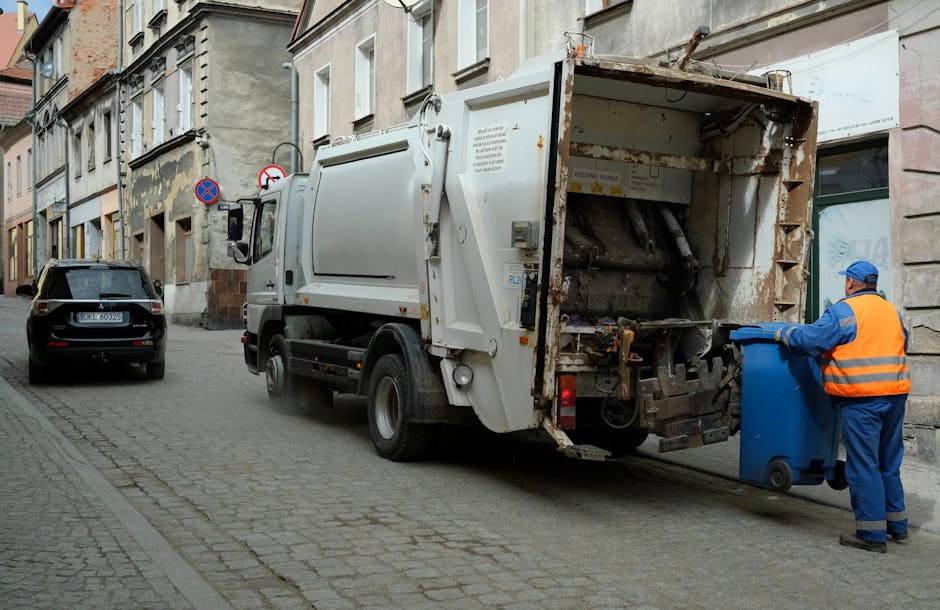
If you have ever compared rubbish removal prices and thought, "That looks fine enough," only to be hit later with a surprise fee, you are not alone. Hidden charges are one of the biggest frustrations people face when booking waste clearance in West Hampstead. The good news? Most of them are avoidable once you know what to ask, what to check, and which parts of a quote need closer attention.
This guide walks you through how to spot the extras, how legitimate rubbish removal pricing usually works, and how to make sure the quote you get is actually the price you pay. Whether you are clearing a flat near West End Lane, dealing with a loft full of old bits and pieces, or arranging a bigger job for a shop or office, the same principle applies: clarity first, then booking.
And honestly, that little bit of care at the start can save you a proper headache later.
Why avoiding hidden charges matters
Hidden fees do more than stretch the budget. They create doubt. Once a customer feels the price has shifted under them, the whole job becomes stressful, even if the actual collection is quick and tidy. In a busy area like West Hampstead, where people often need prompt help with furniture, builders' waste, or domestic clearances, speed matters. But speed should not come at the expense of clarity.
Most hidden charges fall into a few common categories: extra labour, access problems, stair fees, parking, heavy item charges, congestion-related delays, unsorted waste, or minimum load top-ups that were never properly explained. Sometimes the issue is not outright dishonesty. It is simply a vague quote. Vague quotes are risky because they leave too much room for interpretation. And if a price can be interpreted two ways, the more expensive one often wins. To be fair, that is exactly why people feel burned.
Transparent pricing also matters for comparing providers properly. A cheap-sounding quote can look better than a fair one until you realise the "all in" figure is not actually all in. If you want a broader understanding of how reputable providers present their pricing, the page on pricing and quotes is a useful companion read before you request estimates.
For local customers, hidden charges can also affect planning. A landlord clearing a rental, a family emptying a loft, or a shop owner on Mill Lane trying to keep a refit on schedule needs certainty. Not drama. Not call-backs. Just a straightforward price and a clean collection.
How rubbish removal quotes are usually priced
Most rubbish removal companies base their quote on a mix of volume, weight, labour, access, and waste type. That sounds simple enough, but the details matter. A pile of flat-pack boxes is not the same as a load of broken wardrobes, and a ground-floor collection is not the same as carrying bags down four flights of stairs in a narrow Victorian conversion.
In practice, a quote might be built from these parts:
- Volume of waste - how much space the rubbish takes in the truck
- Type of material - general waste, furniture, white goods, garden waste, or builders' debris
- Access conditions - stairs, long carries, shared entrances, parking restrictions, or time delays
- Manpower required - one person, a two-person team, or a larger crew
- Disposal costs - how the waste must be separated, recycled, or processed
- Special items - items requiring extra handling, like appliances or heavy furniture
Some businesses offer an "estimate" first and a final price on arrival. That is not automatically bad. But the difference between a fair estimate and a sneaky one is whether the provider explains the assumptions clearly. If the quote says "subject to inspection" or "prices from," you should ask what could change the number and by how much. A good company will answer directly.
If you are dealing with more than a standard household load, it can help to look at the relevant service page first, whether that is domestic waste collection in West Hampstead, furniture removal, or builders waste disposal. Matching the service to the job reduces the chance of a pricing mismatch later.
One more thing: timing can influence price too. Same-day requests, rush collections, and tight access windows may cost more. That is normal. What is not normal is discovering those charges after the team has already arrived and the waste is half loaded. Slightly awkward, and nobody enjoys that.
Key benefits and practical advantages
Once you know how to avoid hidden charges, the whole process becomes calmer and more predictable. There is nothing especially glamorous about this, but it makes a real difference.
- Better budget control - you can compare providers on like-for-like terms
- Less stress on the day - no panicked renegotiation at the kerb
- Faster booking decisions - clear quotes are easier to approve
- More trust in the company - transparency is a strong signal of professionalism
- Fewer disputes - clear terms reduce misunderstandings
- Better planning for access and parking - especially useful in residential streets and shared blocks
There is also a hidden benefit that people overlook: when pricing is transparent, you make better decisions about what to remove now and what to keep for later. For example, if you are clearing a loft, you may decide to combine a few items into one collection rather than splitting them up over several smaller visits. That can be more cost-efficient, but only if the quote is honest enough to let you compare properly.
For homeowners and tenants who want a simpler, more predictable collection experience, a well-organised rubbish collection service in West Hampstead is usually easier to assess than a vague "man with a van" style offer. The service itself matters, yes, but the quote structure matters just as much.
Who this is for and when it makes sense
This advice is useful for almost anyone arranging waste removal, but some people will feel the pain more sharply than others.
You should be especially careful if you are:
- clearing a flat, maisonette, or converted house with awkward access
- booking rubbish removal for a rental move-out
- disposing of bulky furniture or heavy appliances
- arranging office or shop clearance
- managing builders' waste after a renovation
- dealing with mixed waste types that need sorting
- booking a same-day collection and feeling the pressure to say yes quickly
In local terms, this often includes people living around West Hampstead station, West End Lane, or nearby residential pockets where parking can be tight and access sometimes a bit fiddly. You know the sort of thing: a van double-parks for a minute, a stairwell feels narrower than it should, and suddenly the job sounds more complicated than it did over the phone.
For business owners, hidden charges can be even more disruptive. A shop refit, office move, or stock clearance has a timetable. If you are in that position, it is worth reviewing a more specific page like commercial waste removal in West Hampstead before you ask for a quote. The clearer you are about the use case, the less room there is for surprise add-ons.
Step-by-step guidance
If you want to reduce the risk of hidden charges, treat the quote process like a mini checklist, not a quick phone call. Here is a practical way to do it.
- Describe the waste accurately. List item types, rough quantity, whether anything is heavy, and whether the load includes mixed materials.
- Explain access clearly. Mention stairs, lifts, rear access, shared hallways, parking restrictions, timed entry, or any need to carry items a long distance.
- Ask what the quote includes. Labour, loading, disposal, recycling, VAT if applicable, parking, and any minimum charge should be clear.
- Ask what could change the price. Find out what happens if the load is larger than expected or if access is worse than described.
- Request a written quote. Even a short email or message is better than a verbal "roughly around this much."
- Check the company details. Look for proper contact information and signs of compliance. If a provider cannot clearly explain how they handle waste, that is a warning sign.
- Confirm the final price before work begins. Do not wait until loading has started if anything seems different from the original agreement.
The biggest mistake people make is assuming all rubbish removal quotes work the same way. They do not. Some are genuinely fixed once the details are confirmed. Others are conditional from the start. The trick is not to avoid variable pricing altogether; it is to know exactly where the variables are.
If you are sorting mixed household items, especially older electronics or appliances, it is smart to understand disposal responsibilities before booking. The article on used electronics in the UK can help you think through what should be sold, recycled, or removed rather than simply dumped.
Expert tips for better results
After handling a lot of clearance jobs, a few patterns become obvious. Small clarifications early on prevent most disputes. That part is simple, though people still skip it when they are in a rush.
My best practical tips:
- Send photos, not just descriptions. A couple of clear images can reduce guesswork dramatically.
- Measure awkward items. Large wardrobes, bed frames, and appliances often cause pricing issues because they are heavier or harder to move than they first appear.
- Separate obvious special items. Fridges, mattresses, paint tins, and electricals can need different handling.
- Ask about "wait and load" versus pre-booked loading. If the crew has to wait while you sort items, that can affect the fee.
- Check whether parking matters. In West Hampstead, parking or access limitations can add time even when the actual load is modest.
- Be honest about the state of the waste. Mixed, contaminated, or bagged waste may cost more to process than clean, sorted material.
Here is a small but useful habit: ask for the quote in plain language. Not sales language. Plain language. If a provider cannot explain the price in one or two straightforward sentences, that is usually a sign to slow down and ask more questions. Nothing dramatic. Just pause.
Another good move is to compare the quote against the provider's wider service information, such as the services overview. This helps you see whether the offer actually matches the job you need done, rather than being squeezed into the wrong category.

Common mistakes to avoid
Most hidden charges arrive because the customer and the company are working from different assumptions. That sounds obvious, but it happens all the time.
- Accepting a quote without asking what is included
- Forgetting to mention stairs, lifts, or parking restrictions
- Assuming bulky items are priced like bagged household waste
- Choosing the cheapest number without checking the conditions
- Not asking whether VAT or disposal fees are included
- Failing to confirm the final figure before collection starts
- Mixing in items that need specialist handling without flagging them first
A lot of people also underestimate how much effort access can add. A job might look small on paper, but if the crew has to carry sofa sections through a shared entrance, around a corner, and down a couple of flights, the quote may legitimately change. The point is not to argue over every pound; it is to avoid being surprised by the reason.
And let's face it, nobody wants to stand in a hallway at 8:15 in the morning debating what "standard access" means while someone is trying to move a fridge.
Tools, resources and recommendations
You do not need fancy tools to avoid hidden charges. A phone, a few photos, and a clear list of items go a long way. Still, some practical resources can make the process smoother.
- Photo checklist - take one image of the whole pile and a couple of close-ups
- Room-by-room list - useful for house clearances or loft jobs
- Measurement notes - especially for furniture and appliances
- Access notes - stairs, lifts, loading bay, parking, gate codes, narrow pathways
- Waste separation notes - furniture, garden waste, builders' waste, and white goods
For larger or mixed jobs, it often helps to browse the relevant service pages before you ask for a price. For example, if you are dealing with old wardrobes or sofas, look at furniture disposal. If it is a mix of domestic clutter and general household waste, house clearance may be the better fit. And if the job involves an office or work premises, office clearance is usually more relevant than a general rubbish collection page.
If you care about what happens after collection, the page on recycling and sustainability is worth a look too. Transparency is not just about pricing. It is also about how waste is handled once it leaves your property.
Law, compliance and best practice
This is one of those areas where a little diligence pays off. Waste removal in the UK is not something you want to treat casually. A reputable provider should be able to explain that it operates responsibly, deals with waste appropriately, and follows the expected standards for handling and transfer.
You do not need to become a compliance expert, but a few best-practice checks help:
- ask whether the company is properly authorised to carry waste
- make sure the quote and job details are clear before collection
- check that waste will be taken to an appropriate facility
- keep a record of the booking if you need to refer back later
- be careful with specialist items that may require separate handling
That is where pages like waste carrier licence and compliance and insurance and safety can be useful. They are not about adding fancy jargon. They are about confidence. If a company is comfortable being clear on compliance, it is usually more comfortable being clear on price too.
There is also a broader trust signal in how a business presents its policies and terms. Reading the terms and conditions before you book might sound a bit dull, but it can save trouble later. Same with the payment and security page if you want to know how payment is handled.
Options and comparison table
Not every quote format works the same way, and choosing the right one depends on the job. Here is a simple comparison to help you think it through.
| Quote style | How it works | Best for | Main risk |
|---|---|---|---|
| Fixed quote | Price is agreed in advance once details are confirmed | Clear, well-described jobs | Can change if the description was incomplete |
| Estimate | Rough price given before inspection or arrival | Jobs with uncertain volume | Final cost may rise if access or load differs |
| Load-based pricing | Cost depends on how much space the waste uses | Mixed household or bulky waste | Hard to compare unless the unit size is explained |
| Hourly or labour-based | Price depends on time spent on site | Jobs with unclear scope or difficult access | Delays can push the price up quickly |
For most people, the safest route is the one that gives the clearest written explanation. That might be a fixed quote, or it might be a detailed estimate with conditions listed openly. Either can work. What you want to avoid is a price that relies on "we'll see on the day." That phrase is fine for a plumber, maybe. Not so much when rubbish is being loaded and the clock is running.
Case study or real-world example
A typical West Hampstead scenario goes like this. A resident in a first-floor flat wants to clear an old sofa, a bed frame, several bags of general household waste, and a broken washing machine. They ring around for quotes and get three prices. One is very low, one is mid-range, and one is a bit higher but clearer.
The lowest quote sounds tempting, of course. But when the resident asks what it includes, the details are patchy. There is no clear mention of stairs, appliance handling, or disposal. The mid-range quote explains that the washing machine will be charged as a white goods item, that there is an allowance for carrying items down one flight of stairs, and that the price may change only if the waste volume is significantly different from the photos provided. The higher quote is similar, but the company asks more questions up front and sends a written summary.
The resident chooses the clearer option. On the day, the crew arrives, removes the items efficiently, and the final price matches the written quote. Nothing dramatic happened. That is the point. No surprise fee. No awkward negotiation. No "sorry, we forgot to mention..."
If the job had been larger, such as a full property clearance or a move-out clean-up, the same principles would still apply. It is not about chasing the cheapest number. It is about making the cheapest number honest, if that makes sense.
Practical checklist
Use this before you book. It is simple, but it catches most problems.
- Have I described the waste clearly and honestly?
- Have I shared photos of the items and the access route?
- Do I know whether the price includes labour, disposal, and VAT if applicable?
- Have I asked what could change the quote?
- Do I know how stairs, lifts, parking, or long carries are treated?
- Is the quote written down somewhere I can refer to?
- Have I checked that the service matches the type of waste I need removed?
- Do I understand any special charges for heavy or specialist items?
- Have I reviewed the company's compliance and payment information?
- Have I confirmed the final price before work starts?
If you can tick those off, you are in a much stronger position than most customers who book in a hurry.
Conclusion
Hidden charges are usually avoidable. Not always, but usually. The best defence is simple: describe the job properly, ask direct questions, insist on a written breakdown, and do not let speed replace clarity. In West Hampstead, where access, parking, and property layouts can vary a lot from one street to the next, that approach is especially useful.
Think of the quote as the start of the service, not a side detail. A transparent provider should make you feel informed, not cornered. And if something still feels vague, trust that instinct. A few extra minutes now can save a lot of hassle later.
If you are comparing collection options, looking at service pages, or getting your waste sorted for a move, clearance, or refurbishment, keep the focus on clarity, compliance, and written confirmation. That is how you avoid the usual small traps.
Get a free quote today and see how much you can save.